
Description
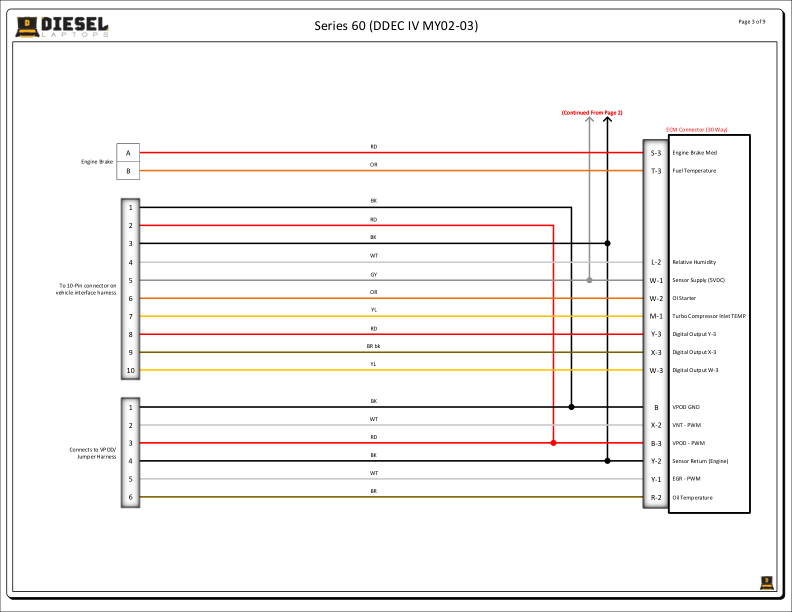
Detroit – DDEC III & IV.Series 60 technical documentation provides the precise electrical configurations required to diagnose and resolve complex engine control issues. By utilizing the official Detroit – DDEC III & IV.Series 60 guidelines, technicians eliminate diagnostic guesswork and ensure every repair aligns with original factory output parameters. These technical protocols minimize operational downtime by providing direct insight into electronic management systems. Accessing validated system data prevents catastrophic component failure and extends the overall service life of heavy-duty machinery. Maintenance personnel rely on these accurate records to maintain compliance with safety standards while simultaneously protecting the equipment from improper field modifications. Adherence to these documented procedures safeguards the integrity of the engine control unit and peripheral sensors, ensuring peak performance during rigorous heavy-duty cycles.
Integrating this documentation into your service workflow supports rapid troubleshooting and promotes long-term operational efficiency. Field technicians gain immediate clarity on system architecture, facilitating faster resolution times for electrical faults within the engine management network. This professional resource serves as a foundation for precise maintenance, helping shops uphold rigorous quality standards and institutional reputation. By following the verified pathways for electrical connectivity, service teams avoid the risks associated with outdated or improvised diagnostic methods. Utilizing these specific technical assets guarantees that complex Series 60 engines remain within optimal operational tolerances, reducing the frequency of unscheduled site visits and preserving the reliability of your entire equipment fleet.
Reviews
There are no reviews yet.